How Many Hours a Day Should You Homeschool?
Most families finish core academics in 1 to 2 hours in the early grades, and 4 to 5 by high school.

Less than you think. Most families finish the core academic work in a fraction of a school day: 1 to 2 hours in the early grades, climbing to 4 or 5 by high school. The six-hour day you picture is mostly transitions, line-ups, and waiting on twenty-odd other kids. At home, almost none of that exists.
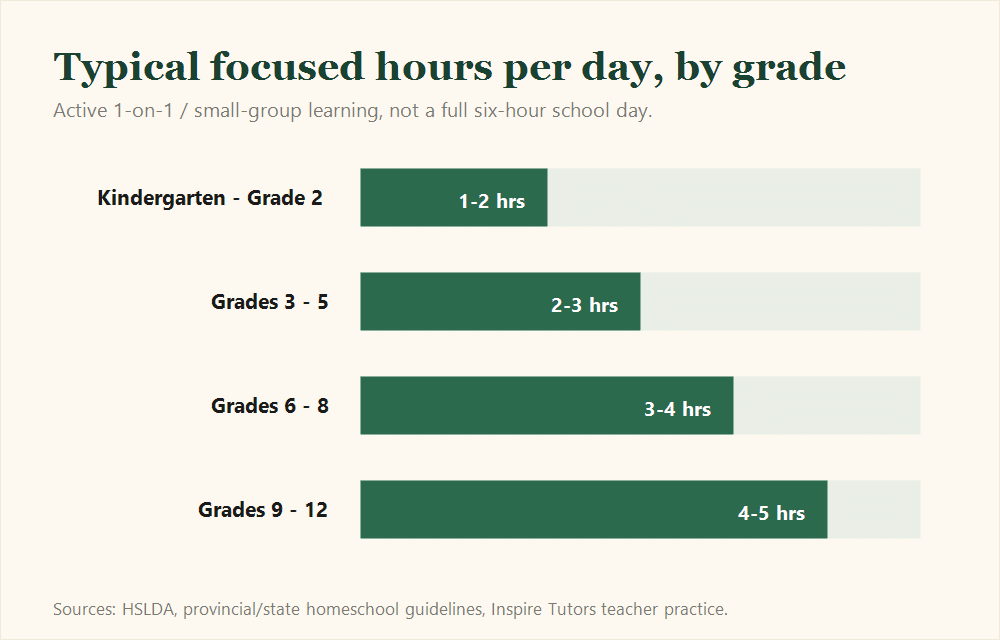
- Kindergarten to Grade 2: 1 to 2 focused hours a day is plenty.
- Grades 3 to 5: 2 to 3 hours.
- Grades 6 to 8: 3 to 4 hours.
- Grades 9 to 12: 4 to 5 hours, plus independent work.
- Count focused learning, not clock-watching. Reading on the couch counts. So does a French lesson.
Section 01The Short Answer
How many hours a day should you homeschool, once you stop trying to rebuild school at the kitchen table? Here’s where most families land. The numbers below are focused, active learning. Not screen time, not chores, and not a clock you both stare at.
| Grade band | Focused hours / day | What that time usually covers |
|---|---|---|
| Kindergarten to Grade 2 | 1 to 2 hours | Phonics, early math, a read-aloud, one hands-on activity. Short bursts beat long sittings. |
| Grades 3 to 5 | 2 to 3 hours | Math, writing, reading, plus one rotating subject such as science, history, or a language. |
| Grades 6 to 8 | 3 to 4 hours | Core subjects, longer projects, and the first real stretch of independent reading. |
| Grades 9 to 12 | 4 to 5 hours | Credit-bearing courses, exam prep, and self-directed study. Some days run longer. |
Two things move a child up or down inside these ranges, and they matter more than the grade-level chart above. Attention span is the obvious factor. The quieter one is how much they read on their own. A kid who reads for pleasure needs less formal instruction. A kid who fights every page needs shorter sessions, more often.
Section 02What actually counts as a homeschool hour?
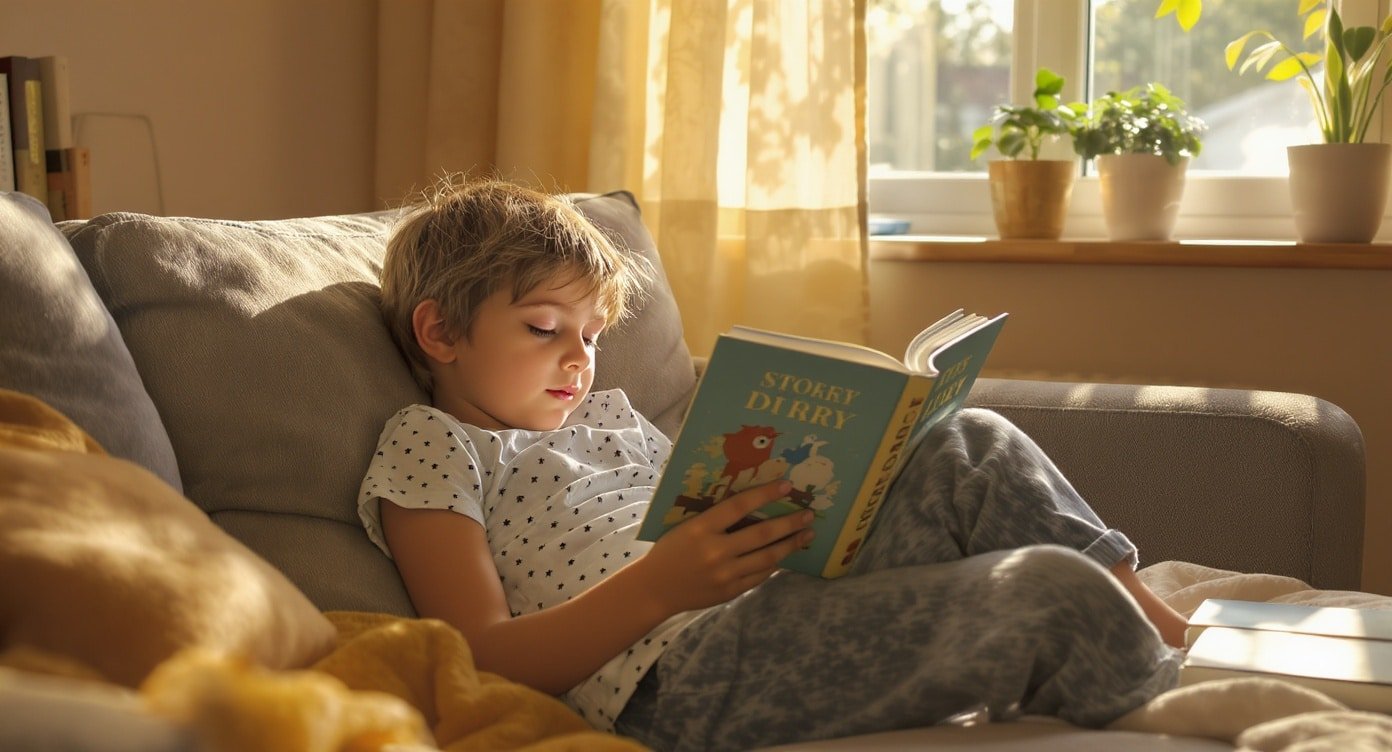
This is where new families tie themselves in knots. It only feels like a hard question if you count narrowly. Count only worksheet minutes and the day looks empty, which makes you anxious, which makes you pile on busywork nobody needs. Widen the lens instead. A documentary on ancient Egypt counts. Baking, measured out in fractions, counts. A 25-minute French lesson on a video call counts. Reading on the couch absolutely counts, and on a good day it’s the most valuable hour your child spends.
Section 03Why it’s so much less than a school day
A classroom teacher loses a big slice of every day to things that have nothing to do with your child. Lining up. Settling noise. Repeating the same instruction five times. Taking attendance, twice. That gap is the biggest reason the number is so much lower than a school schedule. One-to-one is simply faster. When your child gets stuck, you catch it in two minutes instead of next Tuesday.
There’s a real trade-off, and it’s only fair to say it out loud. All that structure now sits on you. No bell tells anyone to begin, so some mornings you’ll fight just to get started, and a short day can quietly turn into no day at all. A rough daily rhythm fixes most of that.
Section 04Signs you’re pushing too hard, or not enough
These signs are the fastest way to tell if you’ve got the balance wrong. If the chart alone won’t tell you, watch your child instead. Too hard looks like tears by ten in the morning, a child who hides when it’s time to start, and a parent who dreads the whole thing. Shorten the sessions and back off the volume. Too little looks like a Grade 8 who “finishes school” in forty minutes and then reads nothing for the rest of the day. That isn’t efficiency. It’s a gap forming quietly. Add one real subject and protect it on the calendar.
Section 05Where a language fits in the day
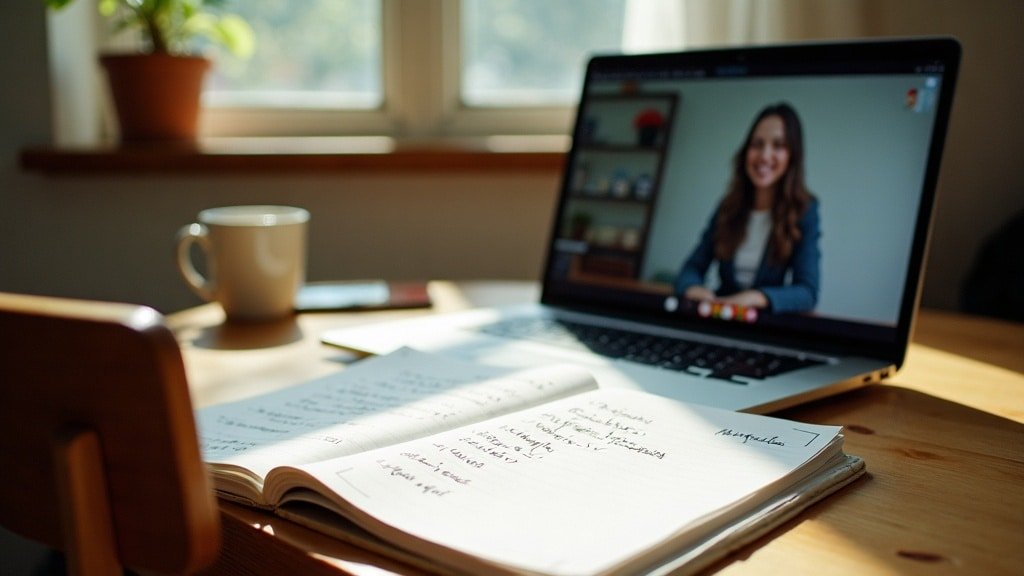
Once a language enters the mix? Barely more. A second language is one of the easiest wins in a short homeschool day, because it rewards little-and-often far more than long cramming sessions. Twenty to thirty minutes, two or three times a week, does more than a single two-hour Saturday. The catch is consistency, and consistency is exactly where home schedules slip. A certified teacher on a fixed weekly slot keeps the language from sliding off the timetable, and gives your child a real person to speak with instead of an app.
It’s the same rhythm Inspire has kept since 2012 – fitting a weekly language lesson into more than 20,000 students’ schedules without it taking over the day.
Find out exactly where your child stands in French or Spanish
One of Inspire’s certified teachers assesses comprehension, vocabulary and speaking in a focused 30-minute session, then sends you a written level report within 48 hours.
Have a question first? Contact us →
Section 06Frequently asked questions
How many hours a day is homeschool legally required?
It depends on where you live. Many U.S. states and Canadian provinces set no daily minimum at all. The ones that do usually point to roughly 4 to 5 hours a day, or about 180 days a year. Check your own state or province first, because the rules vary widely.
Is 2 hours of homeschool a day enough?
In the early grades, yes. For a child from Kindergarten to Grade 2, one to two focused hours covers reading, math, and a hands-on activity comfortably. By middle and high school you will want more.
How many hours should I homeschool a kindergartener?
About 1 to 1.5 hours of focused work, broken into short bursts. Five-year-olds learn best in 10 to 15 minute chunks, with plenty of play and reading in between.
Does homeschooling really take less time than public school?
Usually, yes. Without transitions, crowd control, and waiting, one-to-one teaching covers the same ground in far less time. Most families finish core academics in half a school day or less.
How long should a high school homeschool day be?
Plan for 4 to 5 hours of focused work, plus independent reading and study. Credit-bearing courses and exam prep, such as DELF or AP, can push some days longer.
How do I fit a language into a short homeschool day?
Keep it short and frequent. Two or three sessions of 20 to 30 minutes a week beat one long block. A weekly lesson with a certified teacher adds accountability and real speaking practice.
How many hours a day is homeschool legally required?
It depends on where you live. Many U.S. states and Canadian provinces set no daily minimum at all. The ones that do usually point to roughly 4 to 5 hours a day, or about 180 days a year. Check your own state or province first, because the rules vary widely.
Is 2 hours of homeschool a day enough?
In the early grades, yes. For a child from Kindergarten to Grade 2, one to two focused hours covers reading, math, and a hands-on activity comfortably. By middle and high school you will want more.
How many hours should I homeschool a kindergartener?
About 1 to 1.5 hours of focused work, broken into short bursts. Five-year-olds learn best in 10 to 15 minute chunks, with plenty of play and reading in between.
Does homeschooling really take less time than public school?
Usually, yes. Without transitions, crowd control, and waiting, one-to-one teaching covers the same ground in far less time. Most families finish core academics in half a school day or less.
How long should a high school homeschool day be?
Plan for 4 to 5 hours of focused work, plus independent reading and study. Credit-bearing courses and exam prep, such as DELF or AP, can push some days longer.
How do I fit a language into a short homeschool day?
Keep it short and frequent. Two or three sessions of 20 to 30 minutes a week beat one long block. A weekly lesson with a certified teacher adds accountability and real speaking practice.
 Homeschool
Does Homeschooling Hurt Socialization? What Actually Helps
Does homeschooling hurt socialization? It’s the question every homeschooling family gets asked. Homeschooled kids aren’t doomed to be isolated, but…
 Homeschool
How Much Does Homeschooling Cost Per Year? (2026 Range)
How much does homeschooling cost per year? Most families spend between $700 and $1,800 per child. Here’s a realistic 2026 breakdown of what drives the…
 Homeschool
Is Homeschooling Legal in Canada? Rules by Province
Is homeschooling legal in Canada? Yes, legal everywhere – but “legal” and “simple” are not the same thing. Here is exactly what each province actually…
✓ Verified June 2026