Which U.S. States Will Pay for Your Child’s Tutoring in 2026?
A growing number of states hand families thousands a year through ESAs, and tutoring is often an approved expense.


If you’re paying for tutoring out of pocket, you may be leaving money on the table. As of 2026, more than a dozen U.S. states run Education Savings Account (ESA) programs that deposit public education dollars into an account you control, and in most of them, certified tutoring is an eligible expense. Newer programs count in that total too, including the $7,000 Steamboat Legacy Scholarship in Wyoming, which reopened in July 2026 after a court injunction was lifted.
- ESAs give families $2,000–$8,000+ per child, per year, depending on the state.
- Tutoring is widely approved, but each state has its own rules on credentials and documentation.
- Arizona and Florida are the most tutoring-friendly. West Virginia goes universal in 2026–27.
- Always confirm a vendor is approved in your state’s portal before you pay.
Section 01The Short Answer
An Education Savings Account is a state-funded account a parent can spend on approved education costs: curriculum, therapies, certain private-school tuition, and, in most states, tutoring from a qualified provider. The money is usually accessed through a managed platform such as ClassWallet or Odyssey, either by paying an approved vendor directly or by submitting receipts for reimbursement.
The catch is that “approved” is defined state by state. A tutor who qualifies in Arizona may need a different credential in Florida, and some programs pay homeschoolers nothing at all. The table below cuts through it.
Section 02The 2026 state-by-state snapshot
Figures are the most recent published award amounts for the 2025–26 / 2026–27 cycles. Amounts shift yearly, so treat them as a guide and confirm with the official program.
| State / program | Approx. amount | Tutoring? | Notes for language tutoring |
|---|---|---|---|
| Arizona — ESA (ClassWallet) | ~$7,500–8,000 | Yes ✓ | “Foreign language” is explicitly listed as an allowable category. Low credential bar. |
| Florida — FTC-PEP (Step Up) | ~$7,600–12,000* | Yes ✓ | Out-of-state virtual tutors allowed; “foreign language lessons” is an eligible elective. |
| West Virginia — Hope | ~$5,436 (26–27) | Yes ✓ | Goes universal in 2026–27 (homeschoolers included). Tutoring uncapped, no credential bar. |
| Utah — Fits All (Odyssey) | $4,000–8,000 | Yes ✓ | Home-based awards tiered by age; private-school students up to $8,000. |
| Arkansas — EFA | ~$7,208 (26–27) | Yes ✓ | World-language courses eligible; flexible tutor credential pathways. |
| Georgia — Promise | $6,500 | Limited | Tutors must be state-certified (GaPSC). Must transfer from a public school to qualify. |
| Texas — TEFA (new) | $2,000 (homeschool) | Limited | Brand-new in 2026; modest homeschool amount; vendors must be approved through Odyssey. |
| Alabama — CHOOSE Act | $2,000–7,000 / student (26–27) | Yes ✓ | “Foreign Languages” is a named approved category for both tutoring and textbooks. Home-education students get $2,000/student (capped at $4,000/family) via ClassWallet; participating-school students get $7,000/student. |
| Tennessee — Education Freedom Scholarship | Up to $7,296 / account (25–26) | Limited | Tutoring is an approved expense, but only after private-school tuition and fees are paid first from the account. Homeschool-only families (no tuition to pay) can use it as a primary expense; families also paying private-school tuition get tutoring money only if there’s anything left over. |
| Idaho — Parental Choice Tax Credit | $5,000 / child ($7,500 w/ disability) | Limited | Qualifying tutoring is scoped to the four core subjects (English language arts, math, science, social studies). Foreign language isn’t on that list, so this program likely won’t cover French or Spanish tutoring specifically. |
| Iowa — Students First | — | No* | Homeschoolers get $0; funds require full-time private-school enrollment. |
| Ohio — ACE | Ended | Ended | The ACE grant closed in October 2025. No longer a funding source. |
*Florida amounts vary by county. Iowa, Indiana and a few others restrict eligibility (see notes below). Always verify on the official program site.
Section 03Which states pay for tutoring?
Arizona and Florida are the most practical: both have large, mature programs, generous amounts, and rules that clearly allow language tutoring, including from online and out-of-state providers. West Virginia’s 2026–27 expansion is the one to watch, because it opens the program to every family and places almost no restrictions on who can tutor. We broke the Arizona path down step by step in a 2026 guide to using an Arizona ESA for French and Spanish tutoring.
West Virginia goes universal in 2026–27. Every family in, with almost no limit on who can tutor.
Inspire has spent more than a decade tracking exactly this state-by-state funding landscape – over 20,000 students taught since 2012, in states with ESA money and in states without it.
On the other end, treat Iowa (no homeschool funding), Ohio (program ended), and disability-gated programs like Indiana’s as the exceptions. Good to understand so you don’t chase money that isn’t there. Texas belongs on that list for a different reason, and we compare what the Iowa and Texas programs actually fund side by side.
Section 04How to actually use the funds for tutoring
Confirm your program and amount
Start at your state’s official ESA page (not a third-party blog) to confirm you’re eligible and how much you’ll receive this year.
Check that tutoring is approved, and what credential is required
Some states accept any qualified tutor; others require a teaching certificate or a subject-area degree. A certified educator satisfies even the strictest rules. Arizona is the state families ask about most, and French and Spanish lessons clear the same approval bar there as any other subject.
Get your tutor registered before you pay
This is where families get tripped up. Paying a tutor who isn’t yet an approved vendor is the most common reason reimbursements get denied.
Keep clean documentation
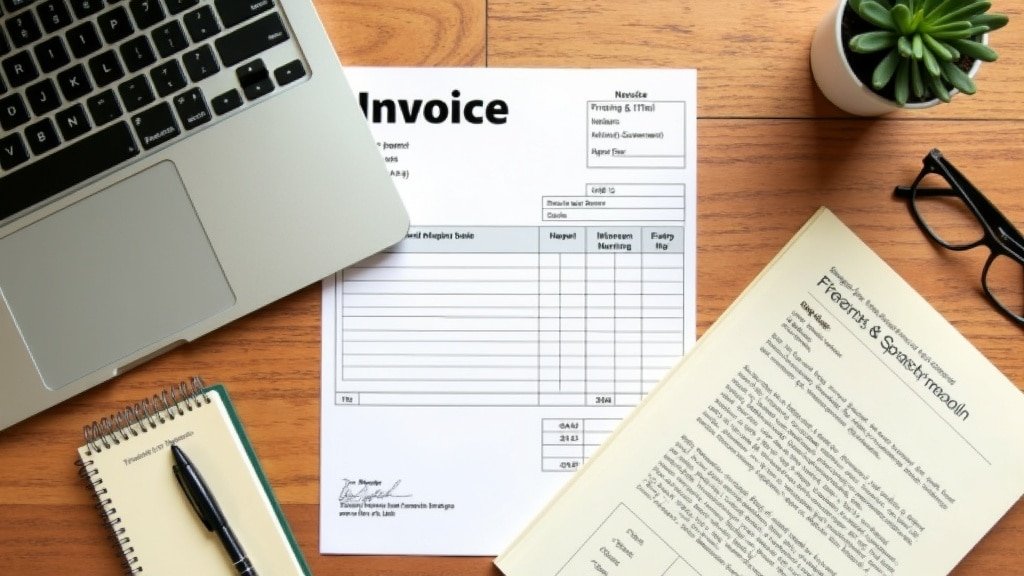
Every invoice should show the provider, the student, session dates, duration, and rate. That one habit prevents most denials.

Know your child’s language level before applying ESA funds
One of Inspire’s certified teachers assesses comprehension, vocabulary and speaking in a focused 30-minute session, then sends you a written level report within 48 hours.
Have a question first? Contact us →
Section 05Frequently asked questions
 Funding & ESA
Can You Use ESA Funds for Tutoring?
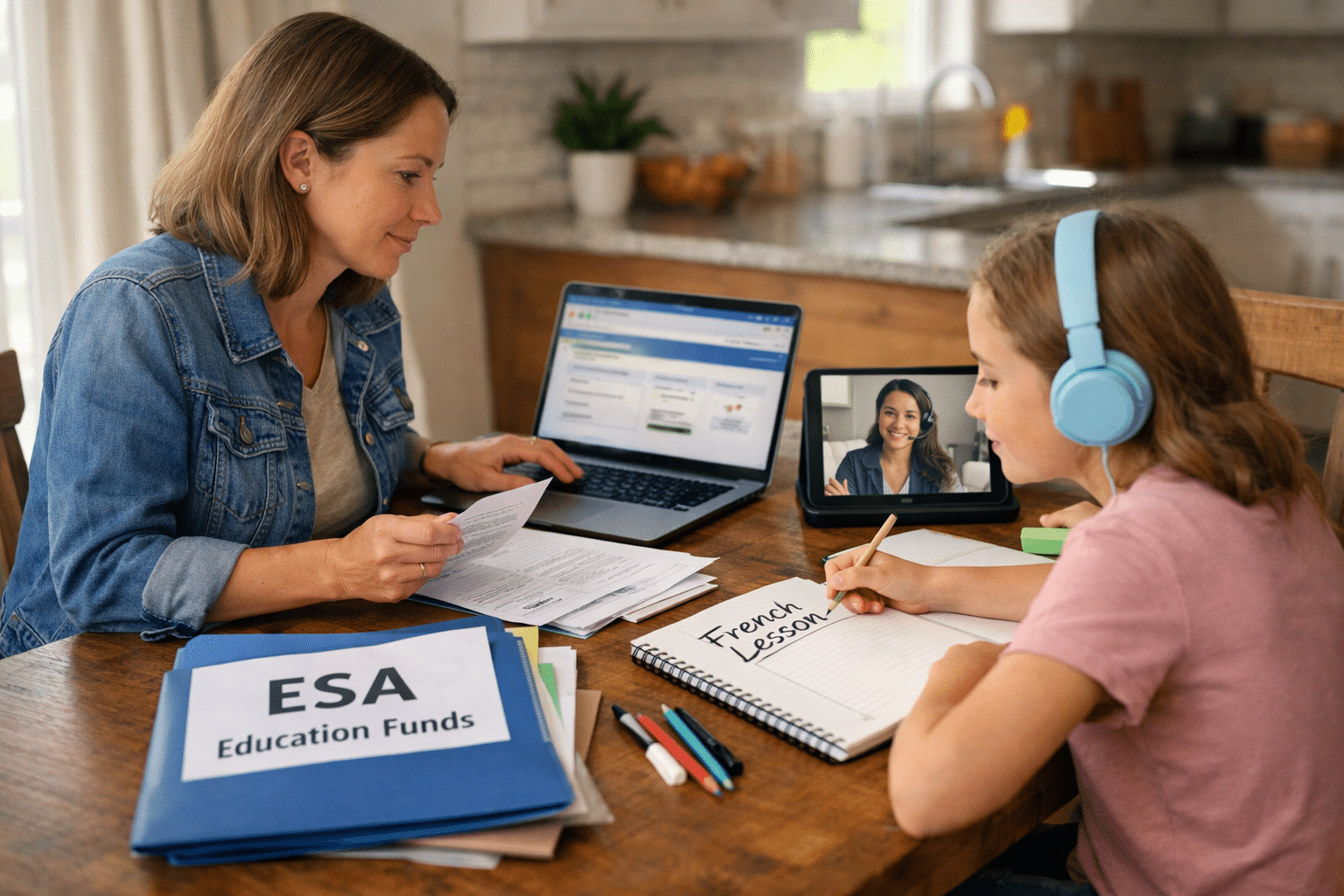
Can homeschoolers use ESA funds for tutoring without a reimbursement headache? In 2026, the answer is usually yes, if tutoring is eligible in your…
 Funding & ESA
How ESA Families Pay for French or Spanish Tutoring Without the Marketplace (2026)
ESA tutoring reimbursement works in Arizona, West Virginia, Florida, and Arkansas: pay your tutor first, then submit for reimbursement. You don’t need…
 Funding & ESA
Arizona ESA for French and Spanish Tutoring – How Families Get Reimbursed (2026)
Arizona ESA language tutoring reimbursement starts with the parent handbook, which names “foreign language” as a qualifying expense. Here’s exactly…
✓ Verified June 2026